


Word Calm - Scape puzzle game
4.410.41K Reviews
App Specs
- Version
- 2.7.7
- Updated On
- License
- Free
- Downloads
- 1,000,000+
- Developer
- FUNJOY
- Categories
- Word
- Platform
- Android
Screenshots
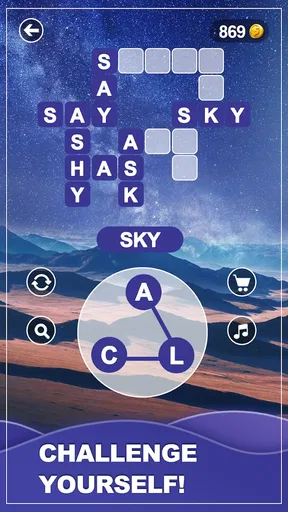
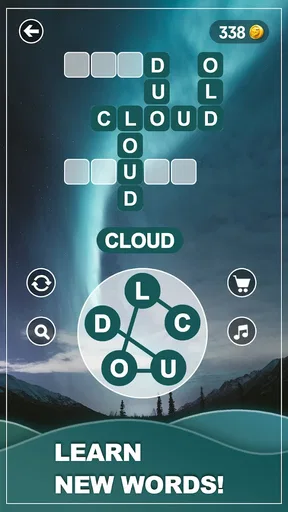

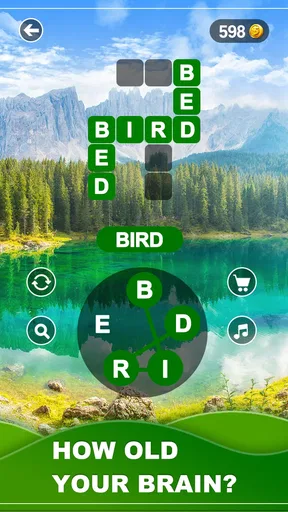
 Analysis by AppCompare
When I have a few spare minutes and want a game that asks me to pay attention without demanding a long commitment, I reach for Word Calm. It turns a handful of letters into a small search problem: I try a swipe, see whether it makes a word, then look again with a different pattern in mind. That simple action-and-feedback rhythm is the heart of the experience, and it explains why one more puzzle can feel tempting even when I meant to play only briefly.
A quick start that keeps the focus on letters
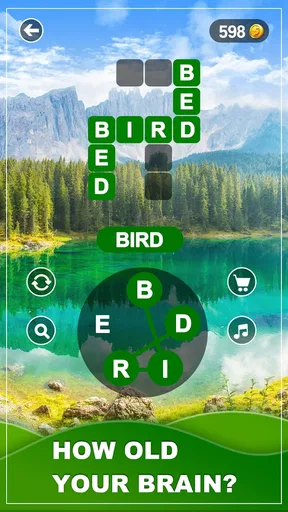
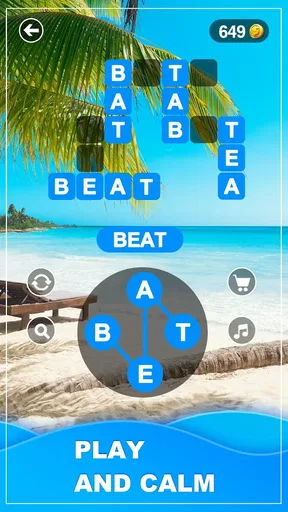
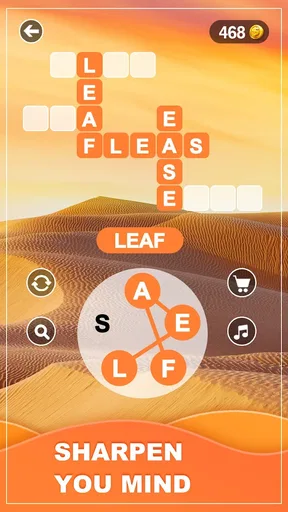
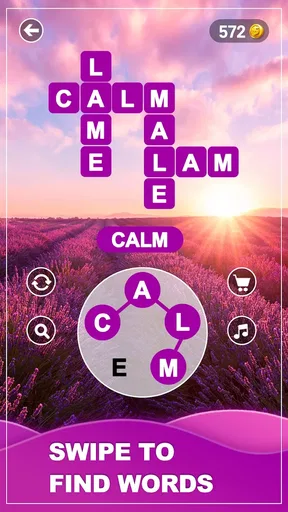
The first thing that caught my eye was the calming design. Word Calm has this serene, nature-inspired interface that’s like a breath of fresh air. It’s almost as if the game is whispering, "Relax, but think hard!" Setting it up was a breeze. Just download, install, and you're off to your first word puzzle in no time. No complicated tutorials or setup screens. It's straightforward, which I appreciated.
The game is a free word puzzle from FUNJOY, and its age rating is Everyone. It has been available since January 27, 2019, and version 2.7.7 supports devices running Android 7.0 or later. Its broad audience makes sense: the basic idea is easy to grasp, but the challenge comes from noticing possibilities rather than learning a complicated rule set. I would still check that the device and store version suit your needs before installing.
Swipe, check, and look again
Diving into the gameplay, I was greeted with a grid of letters and a simple task: swipe to form words. Sounds easy, right? Well, not so fast! As you progress, the puzzles get trickier, and that’s where the fun begins. The satisfaction of finding those hidden words is unmatched. I found myself getting lost in the game for hours, trying to outwit each level.
The game starts off gently, perfect for getting the hang of things. But as you advance, it throws in longer words and more complex grids. It’s like a workout for your brain, but without the sweat.
What makes the loop work for me is the pause between attempts. A swipe either fits the puzzle or sends me back to the same letters with a new question: what pattern have I overlooked? I try short combinations first, then trace longer routes across the grid. If I get stuck, I stop guessing for a moment and scan from a different starting letter. That small reset of attention is often more useful than repeating the same swipe.
Small rewards, useful nudges
One of the coolest features of Word Calm is the daily puzzle. It’s a great way to keep you coming back every day. Plus, there are bonus words scattered throughout the levels that give you extra coins. These coins can be used to get hints when you’re stuck, which, trust me, happens more often than you’d think!
Worth Reading Before You Choose

EA SPORTS FC Mobile 26 Is a Bigger Football Game, but It Takes Time

Flipboard Shows What News Apps Must Do Beyond the Feed

Switching to Android Auto Means Rethinking Your Driving Routine

Google Calendar Makes a Crowded Week Easier to Manage

Ludo King Makes the Most of the Minutes Between Plans

Baby Panda World Brings Quick Play to Modern Phones, but Its Game Library Feels Busy
Hints are most valuable when I have narrowed down the trouble to one stubborn gap, rather than when I have barely looked at the board. I try a few plausible routes and search for bonus words before spending a hint; that keeps the puzzle-solving part satisfying and makes the coin reward feel earned. If a clue gets me moving again, I can return to the letters with a better sense of what to inspect instead of treating the hint as a substitute for playing.
The daily puzzle gives a natural reason to open the game again, while a regular level offers a different kind of stopping point: finish the board, take the small win, and close the app. That makes it easier to fit into a wait or a quiet break than a game built around long matches. I would not treat a daily prompt as an obligation, though. Missing a day should not turn a relaxing pastime into another task on a checklist.
When the board stops making sense
There’s also a nifty shuffle option. When you’re staring at the same letters for too long, a quick shuffle can spark new ideas. It’s a small feature, but it makes a big difference.
Shuffle is useful because it changes how the letters catch my eye without solving the puzzle for me. I use it after I have genuinely scanned the board, not after every failed attempt; otherwise, I can end up reacting to a new arrangement instead of learning to spot routes in the old one. It is a gentle way to break a visual rut, especially when several possible starting points have begun to blur together.
That said, a shuffle cannot make every round effortless. Word-search games still depend on recognizing valid words and following the board’s path, so a player who dislikes trial and error may find the repetition frustrating. The calm presentation softens the mood, but it does not remove the need to concentrate. I also would not choose this as my main game when I want a story, action, or a competitive match; its appeal is the compact puzzle itself.
Who will enjoy the word-search routine?
I find this word-search routine best for people who like a small, self-contained puzzle and don’t mind looking at the same letters from a few angles. In this section, I’ll focus on how it fits into everyday pauses and what kind of player is likely to enjoy that pace, before comparing its appeal with other word games.
A handy fit for everyday pauses
What I love about this game is its universal appeal. Whether you're a young learner trying to expand your vocabulary, or an adult looking for a mental challenge, Word Calm fits the bill. It’s an ideal app for family game time, where everyone can join in and contribute to finding words.
For a realistic use case, I can picture opening it while waiting for a kettle to boil or sitting in a waiting room. I would complete a puzzle if I have enough attention, or simply make a few attempts and return later when convenient. It works best when I treat it as a small mental break rather than a productivity tool: the game gives my mind one clear thing to do, but it is not a replacement for a more structured language lesson.
It can also work as a shared, low-pressure activity. One person can scan for short words while another looks for longer routes, then compare ideas before swiping. That turns the board into a casual conversation starter without requiring everyone to take turns through a complex ruleset. Younger players may enjoy spotting familiar words, while adults can help explain less familiar vocabulary, though the experience is still a puzzle first rather than a teaching program.
Compared with a crossword, this is more immediate: I do not need to read clues or know a specific fact before I begin. Compared with a timed word scramble, the emphasis feels less like racing a clock and more like testing the letter paths in front of me. If I want broad vocabulary practice, detailed definitions, or a competitive leaderboard-style challenge, I would look for a game designed around those goals instead. Word Calm is strongest when I want a relaxed search with a clear next move.
What to know before installing
The game is free to download, though it offers optional in-app purchases ranging from $0.99 to $99.99 per item. I would start by playing without buying anything and see whether the ordinary puzzle-and-hint loop is enough for me. Since coins can be used for hints, I would save them for a genuine sticking point rather than spending them whenever progress slows; that keeps the game’s central satisfaction in the solving, not in tapping through the answer.
Word Calm has a 4.4 average from around 36,000 ratings, with roughly 10,000 written reviews, and has passed 1 million installs. Those figures suggest it has found a sizable audience, but they do not tell me whether its particular pace suits every player. I would use the first few boards as a personal test: do I enjoy scanning, swiping, and trying again, or do I want puzzles with more variety in their rules?
For younger players or family use, the Everyone rating is reassuring as a starting point, but I would still make any purchase decisions deliberately, especially if a child is using the device. The purchase range is broad enough that I would not tap a payment prompt casually. If I prefer a completely purchase-free setup, or simply do not want optional spending in a game, that is a fair reason to choose another word puzzle.
My verdict on the repeat-play loop
All in all, Word Calm is more than just a game. It's a delightful way to unwind while keeping your mind sharp. With its beautiful design, challenging puzzles, and clever features, it’s a must-have on your mobile device. So, if you’re on the hunt for a game that’s both relaxing and stimulating, give Word Calm a try. Trust me, your brain will thank you!
My more practical recommendation is to try it if you like word searches, want an easy entry point, and enjoy the little cycle of attempting a word, getting feedback, spotting a fresh route, and completing a board. The daily puzzle gives me a reason to return, while the shuffle and hint options offer ways to get unstuck without changing the basic character of play. I would skip it if I need deep strategy, a strong narrative, or a steady stream of radically different mechanics. For a quiet spare moment, though, its simple loop is exactly the point: I solve what I can, take the reward, and have a clear reason to open it again when I feel like another round.
Pros
- Engaging puzzles that stimulate the mind.
- Visually pleasing with calming graphics.
- Suitable for all ages and skill levels.
- Offline play available
- no internet needed.
- Regular updates with new levels.
Cons
- Ads can be intrusive for some players.
- In-app purchases can be pricey.
- Limited hints without purchase.
- Some levels may feel repetitive.
- Occasional minor bugs in game.
FAQs for Word Calm - Scape puzzle game
What is Word Calm - Scape and how do I play it?
Word Calm - Scape is a relaxing word puzzle game that challenges players to connect letters and form words. The game features hundreds of levels, each with a unique puzzle. Simply swipe your finger over the letters to create words. It’s perfect for improving vocabulary and keeping your mind sharp.
Is Word Calm - Scape free to download and play?
Yes, Word Calm - Scape is free to download and play on both Android and iOS devices. However, the game offers in-app purchases for additional hints and to remove ads. These purchases are optional and not necessary to enjoy the full gaming experience.
Does Word Calm - Scape require an internet connection?
No, Word Calm - Scape can be played offline. This makes it a great option for playing during travel or in areas with limited internet connectivity. However, certain features like in-app purchases and updates will require an internet connection.
What are the main features of Word Calm - Scape?
Word Calm - Scape features a calming design with soothing background music and beautiful landscapes. The game offers thousands of levels, daily challenges, and rewards for completing puzzles. Players can also compete in leaderboards to see how they rank against others globally.
Are there any age restrictions for playing Word Calm - Scape?
Word Calm - Scape is suitable for all ages. It’s a family-friendly game designed to enhance vocabulary skills and offer entertainment. However, parents should be aware of the in-app purchase options available within the game.


